

Moxa TCF-142-S-ST-T | RS-232/422/485 to Single-Mode Fiber Converter, ST Connector, Fiber Ring Support, -40 to 75∞C, Industrial Grade
Moxa TCF-142-S-ST-T | RS-232/422/485 to Single-Mode Fiber Converter, ST Connector, Fiber Ring Support, -40 to 75∞C, Industrial Grade
SKU:TCF-142-S-ST-T
Stock Status: Enquire
Request Quote
Shipping calculated at checkout.
Description
Description
Moxa TCF-142-S-ST-T: Convert RS-232/422/485 to single-mode fiber. Features ST connector, fiber ring support, and operates in -40 to 75°C. Learn more
Features
Features
Warranty
Warranty
All technical data should be verified on the manufacturer data sheets.
View full details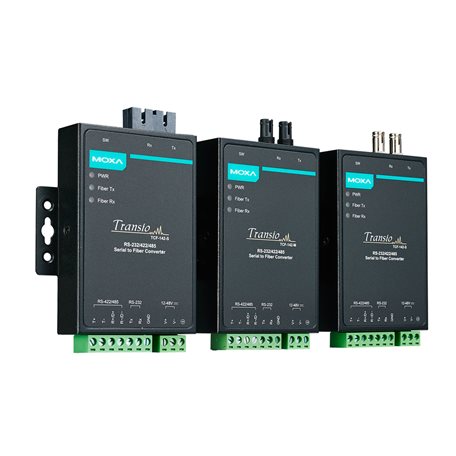
What's the difference between add to cart, backorder & request a quote?
Add to Cart lets you purchase in-stock products immediately.
Backorder is available for items that are out of stock. Placing a backorder secures your order; contact us to confirm ETA before ordering if you need it urgently.
Request a Quote is for customised pricing, volume-based deals, or orders that need a tailored response.
specs-tabs
Collapsible content
Technical Specifications
FAQs
Datasheet
Technical Specifications
FAQs
Datasheet
This product has a detailed PDF datasheet available. Open PDF datasheet in a new tab .
Recently Viewed
-

Request for a Quote
Looking for competitive pricing? Submit a request, and our team will provide a tailored quote that fits your needs.

