

Moxa MAT-WDB-CA-RM-2-0205 | Dual-Band Ceiling Antenna 2.4/5 GHz 2/5 dBi MIMO 2x2 RP-SMA Male WLAN Antenna
Moxa MAT-WDB-CA-RM-2-0205 | Dual-Band Ceiling Antenna 2.4/5 GHz 2/5 dBi MIMO 2x2 RP-SMA Male WLAN Antenna
SKU:MAT-WDB-CA-RM-2-0205
Stock Status: Enquire
Regular price
$0.00 AUD
Regular price
$0.00 AUD
$0.00 AUD
Unit price
per
Regular price
Taxes included.
Shipping calculated at checkout.
Description
Description
Enhance your wireless network with Moxa's MAT-WDB-CA-RM-2-0205 dual-band ceiling antenna. Features 2x2 MIMO, 2 dBi at 2.4 GHz, 5 dBi at 5 GHz, RP-SMA male. Learn more
Features
Features
Warranty
Warranty
All technical data should be verified on the manufacturer data sheets.
View full details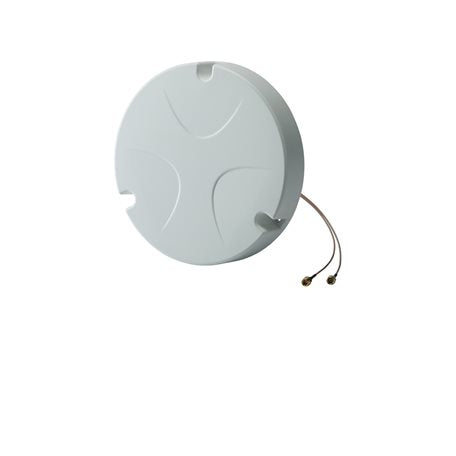
What is the difference between add to cart and request a quote?
Please note: Add to Cart lets you purchase the product directly, while Request a Quote is for customised pricing or volume-based deals that require a tailored response.
specs-tabs
Collapsible content
Technical Specifications
FAQs
Datasheet
Technical Specifications
FAQs
Datasheet
This product has a detailed PDF datasheet available. Open PDF datasheet in a new tab .
Recently Viewed
-

Request for a Quote
Looking for competitive pricing? Submit a request, and our team will provide a tailored quote that fits your needs.

